出面仲有冇太陽?
出面仲有冇太陽?
Is there any sun outside?
一間沒有窗的影印店,一句遲了十七年的回答。讀《Sassoon Tigers:明天見》。
一家没有窗的复印店,一句迟了十七年的回答。读《Sassoon Tigers:明天见》。标题是粤语,意思是:外面还有没有太阳?
A copy shop with no windows, and an answer seventeen years late. On Sassoon Tigers: See You Tomorrow.出面仲有冇太陽?
阿波每天早上走進店裡,總要問一句:「出面仲有冇太陽?」阿晴忙着數紙,頭也不抬就答:「有啊,好好天。」到了2020年冬至,阿晴關了店。第二天清晨,她走上山,去看當年和阿波沒看成的日出。
阿波每天早上走进店里,总要问一句:“出面仲有冇太陽?”阿晴忙着数纸,头也不抬就答:“有啊,好好天。”到了2020年冬至,阿晴关了店。第二天清晨,她走上山,去看当年和阿波没看成的日出。
Every morning Bo walks into the shop and asks, “Is the sun out?” Ching keeps counting paper. “Yes, it's a lovely day,” she says without looking up. At the winter solstice in 2020, she closes the shop. The next morning she climbs the hill to watch the sunrise she and Bo never saw together.
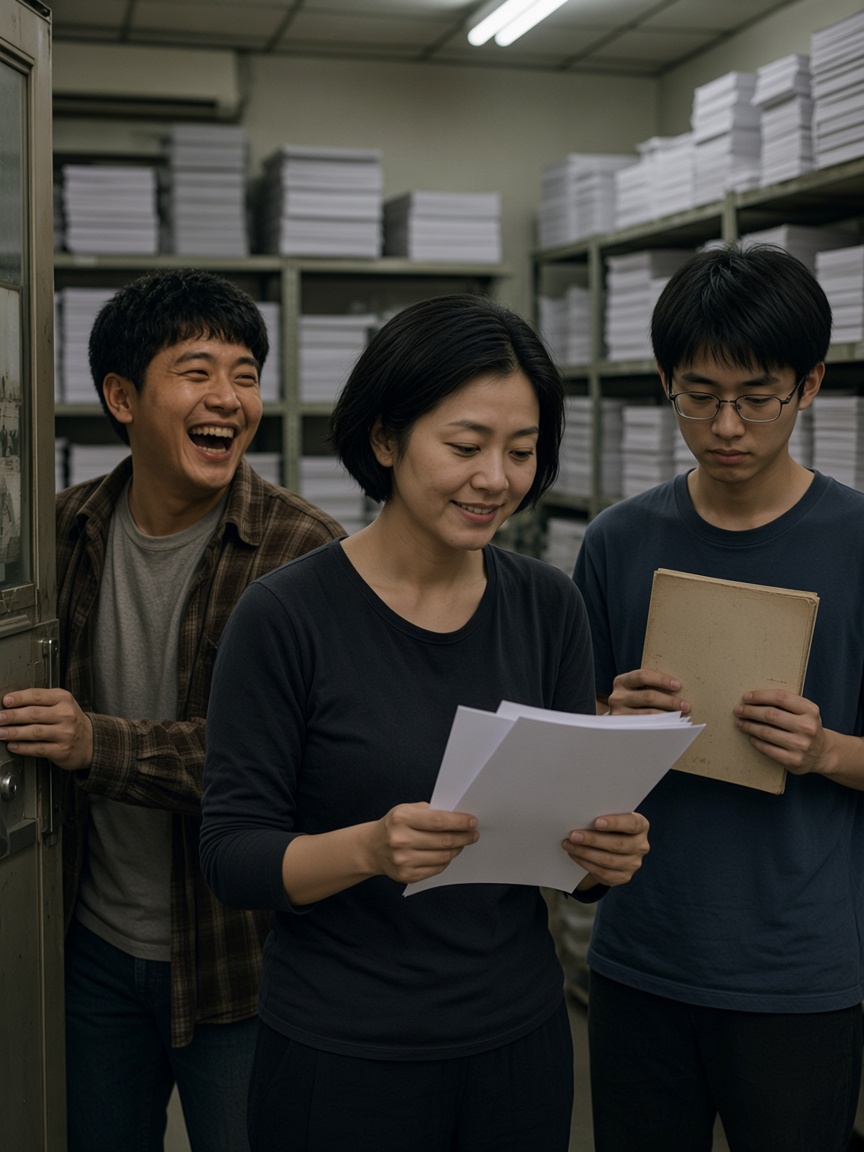
影印店在港大主校區門口的騎樓下,沒有窗,白天也亮着光管。
《Sassoon Tigers:明天見》是一齣原創粵語音樂劇,兩幕十三場,十首歌。2003年,阿晴的丈夫阿波在SARS中殉職。到了2020年,疫症再來,她決定冬至關店,十八歲的兒子阿朗卻不肯。阿波的老朋友David也一直幫忙守着這間店;他的妹妹Nora,則在這一年認識了阿朗。阿朗想留下父親的痕跡,阿晴卻不想再這樣過下去。
下面八節是創作團隊寫的導賞,會講到結局,最好聽完歌或看完戲再讀。
复印店在港大主校区门口的骑楼下,没有窗,白天也亮着日光灯。“出面仲有冇太陽”是“外面还有没有太阳”,“有啊,好好天”是“有啊,天气很好”。
《Sassoon Tigers:明天见》是一部原创粤语音乐剧,两幕十三场,十首歌。2003年,阿晴的丈夫阿波在SARS中殉职。到了2020年,疫情再来,她决定冬至关店,十八岁的儿子阿朗却不肯。阿波的老朋友David也一直帮忙守着这家店;他的妹妹Nora,则在这一年认识了阿朗。阿朗想留下父亲的痕迹,阿晴却不想再这样过下去。
下面八节是创作团队写的导赏,会讲到结局,最好听完歌或看完戏再读。
The copy shop is under the covered arcade at HKU’s main gate. With no windows, it needs fluorescent lighting even during the day.
Sassoon Tigers: See You Tomorrow is an original Cantonese musical in two acts, thirteen scenes and ten songs. In 2003, Ching's husband Bo dies of SARS while working as a doctor. When another epidemic arrives in 2020, she decides to close the shop on the winter solstice. Her eighteen-year-old son Long refuses to let it go. Bo's old friend David has been helping to keep the shop open all these years; his sister Nora meets Long that summer. Long wants to keep what remains of his father. Ching cannot go on living this way.
The eight sections below were written by the creative team. They give away the ending, so they are best read after the songs or the show.
- 青春青春Youth十八歲,以為明天有保證。十八岁,以为明天有保证。At eighteen, tomorrow feels guaranteed.IV · 十八歲,兩次十八岁,两次Eighteen, twice
- 死亡死亡Death只有一個人死去,那一場沒有歌。只有一个人死去,那一场没有歌。One death, and a scene with no song.II · 減法减法Subtraction
- 週期周期Cycles十二年一個虎年,十八年一代新生。十二年一个虎年,十八年一代新生。A tiger year every twelve; a new generation every eighteen.III · 年輪年轮The wheel
- 承諾承诺Promises一句「明天見」,遲了十七年才兌現。一句“明天见”,迟了十七年才兑现。One "see you tomorrow," kept seventeen years late.VIII · 日出日出Sunrise
一間沒有窗的店
一家没有窗的店
A shop with no windows
店是阿晴的父親八十年代開的,在港大主校區門口的騎樓底下。騎樓遮住了天,店裡又沒有窗,只有光管。早上七點開門,晚上十一點收工,站在櫃檯後面分不出外面是晴是陰,只聽到機器聲和門鈴。
阿波是阿晴在Hysan的師弟,讀醫科的時候常來店裡影印講義,影印費一直欠着;後來他在沙宣道的醫院做醫生,兩人結了婚,有了阿朗。2002年,他每天早上推門就問外面有沒有太陽,阿晴數着紙,頭也不抬就答好好天。兩個人都知道這是玩笑:問的人剛從太陽底下走進來,答的人一整天都見不到太陽。這句話他們天天說,跟別人說早晨差不多。
全劇的音樂從這一問一答長出來。問句的旋律往上走,停在未解決的和弦上;答句往下走,回到主和弦。第3場第一次唱起時,節奏輕快,複印機在後面打拍子。
店是阿晴的父亲八十年代开的,在港大主校区门口的骑楼底下。骑楼遮住了天,店里又没有窗,只有日光灯。早上七点开门,晚上十一点收工,站在柜台后面分不清外面是晴是阴,只听得到机器声和门铃。
阿波是阿晴在Hysan(利希慎堂,港大的学生舍堂)的师弟,读医科的时候常来店里复印讲义,复印费一直欠着;后来他在沙宣道的医院当医生,两人结了婚,有了阿朗。2002年,他每天早上推门就问外面有没有太阳,阿晴数着纸,头也不抬就答天气很好。两个人都知道这是玩笑:问的人刚从太阳底下走进来,答的人一整天都见不到太阳。这句话他们天天说,跟别人说早上好差不多。
全剧的音乐从这一问一答长出来。问句的旋律往上走,停在未解决的和弦上;答句往下走,回到主和弦。第3场第一次唱起时,节奏轻快,复印机在后面打拍子。
Ching's father opened the shop in the eighties, under the covered arcade at the university's main gate. The arcade blocks out the sky, and the shop has no windows, only fluorescent tubes. It opens at seven in the morning and closes at eleven at night, and from behind the counter you cannot tell whether it is sunny or grey outside. You hear the machines and the bell on the door.
Bo was Ching's junior at Lee Hysan Hall. As a medical student he came in to copy lecture notes and ran up a bill he never settled. Later he became a doctor at the hospital on Sassoon Road; he and Ching married and had a son, Long. In 2002 he pushes the door open every morning and asks whether the sun is out, and Ching, counting paper, tells him without looking up that it's a lovely day. Both of them know it is a joke: he has just walked in out of the sunshine, and she hasn't seen the sun all day. They say it every morning, the way other people say good morning.
The score begins with this exchange. The question rises and hangs on an unresolved chord; the answer comes down to the home chord. When we first hear it in Scene 3, the rhythm is light and the copier keeps time.
2003年4月,阿波從醫院打電話回店裡,問的還是這一句。阿晴聽到鈴聲,以為是客人。等她放下手上那疊紙,鈴聲已經停了。他改打給David,David替她答了,只是說,沒有唱。此後,答句的旋律一直缺席,直到最後的日出。問句卻不時響起,有時藏在樂隊裡,有時接在歌隊停下來的地方,也跟着阿朗,出現在他說不清自己想找甚麼的時候。
那通電話在第一幕就演給觀眾看了。阿晴和阿朗不知道阿波說過甚麼,David知道,卻十七年來只肯說「佢冇講乜」。往後的戲,就帶着觀眾已經知道的這句話,一直走到山頂,等阿晴把它接下去。
2003年4月,阿波从医院打电话回店里,问的还是这一句。阿晴听见铃声,以为是客人。等她放下手里那叠纸,铃声已经停了。他改打给David,David替她答了,只是说,没有唱。此后,答句的旋律一直缺席,直到最后的日出。问句却不时响起,有时藏在乐队里,有时接在歌队停下来的地方,也跟着阿朗,出现在他说不清自己想找什么的时候。
那通电话在第一幕就演给观众看了。阿晴和阿朗不知道阿波说过什么,David知道,却十七年来只肯说“佢冇講乜”(他没说什么)。往后的戏,就带着观众已经知道的这句话,一直走到山顶,等阿晴把它接下去。
In April 2003, Bo calls from the hospital and asks the same question. Ching hears the ring and takes it for a customer. By the time she puts down her stack of pages, the ringing has stopped. He calls David instead. David answers for her, speaking the words. The answer's melody then falls silent until the final sunrise. The question keeps returning: in the orchestra, after the chorus breaks off, and around Long when he cannot quite say what he is looking for.
The audience sees the call in Act One. Ching and Long don't know what Bo said; David does, but for seventeen years he has told Ching only, “He didn't say much.” We carry those words with us through the rest of the show, until Ching can answer them on the hilltop.
出面仲有冇太陽?有啊,好好天。
外面还有没有太阳?有啊,天气很好。
Is the sun out? Yes, it's a lovely day.
第3場 · 2002年秋 · 阿波、阿晴第3场 · 2002年秋 · 阿波、阿晴Scene 3 · autumn 2002 · Bo and Ching
減法
减法
Subtraction
全劇只有一個人死去。2003年4月,在沙宣道醫院做醫生的阿波,在SARS中殉職,那年他還不到三十歲。2020年的那一半故事裡,沒有人死亡。
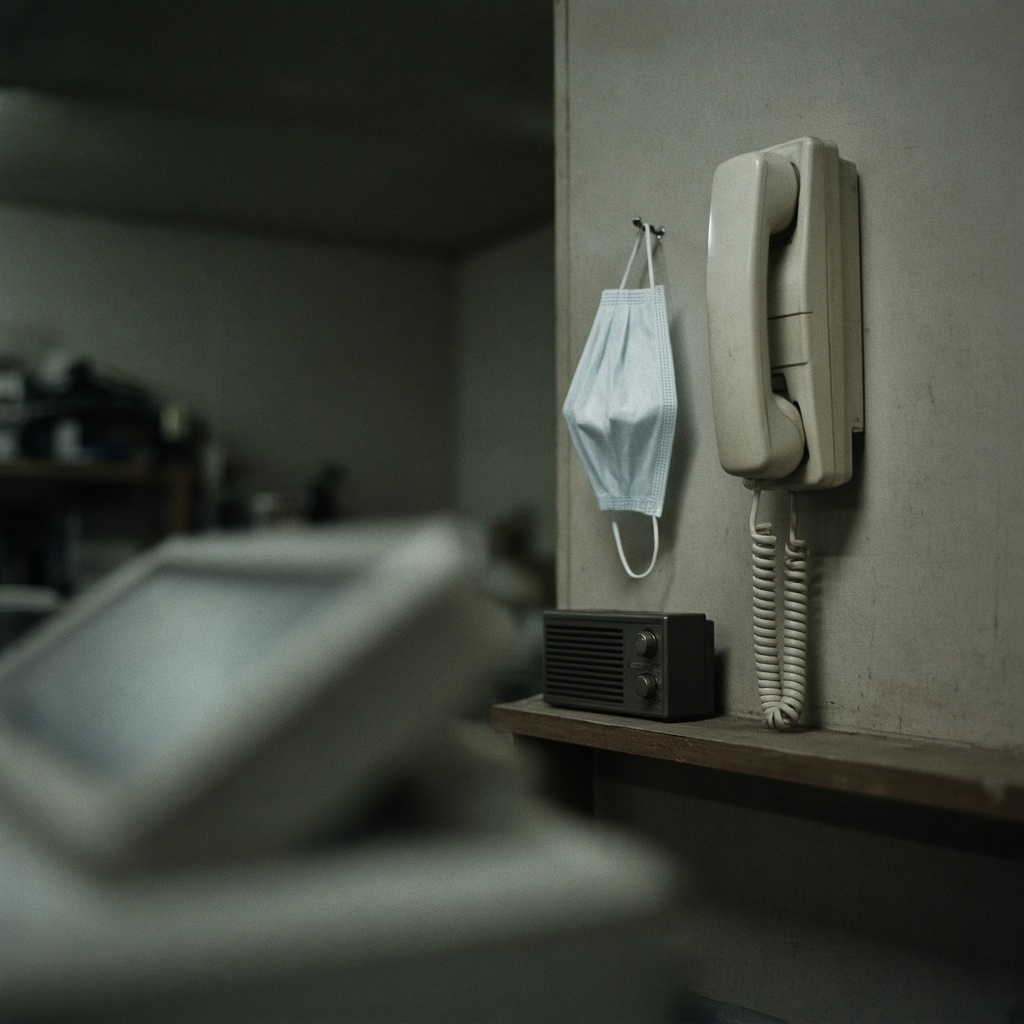
第6場從2003年二月寫到四月,沒有一首完整的歌。收音機播着新聞,複印機不停地轉,電話一遍遍響;阿波在醫院清唱的那句問句,是這一場僅有的歌聲。我們寫到這裡,決定把音樂收起來,讓機器聲和電話鈴留在台上。
阿波沒有留下遺言。他不知道自己會死,沒有交代誰照顧誰,也沒有說我愛你,最後一通電話仍是問天氣。寫他的時候,我們始終不願讓他帶着後來人的眼光回來告別。他只出現在2002和2003年,照常賒賬、吹牛,約人看日出。
全剧只有一个人死去。2003年4月,在沙宣道医院当医生的阿波,在SARS中殉职,那年他还不到三十岁。2020年的那一半故事里,没有人死亡。
第6场从2003年二月写到四月,没有一首完整的歌。收音机播着新闻,复印机不停地转,电话一遍遍响;阿波在医院清唱的那句问句,是这一场仅有的歌声。我们写到这里,决定把音乐收起来,让机器声和电话铃留在台上。
阿波没有留下遗言。他不知道自己会死,没有交代谁照顾谁,也没有说我爱你,最后一通电话仍是问天气。写他的时候,我们始终不愿让他带着后来人的眼光回来告别。他只出现在2002和2003年,照常赊账、吹牛,约人看日出。
Only one person dies in this show. In April 2003 Bo, a doctor at the hospital on Sassoon Road, dies of SARS in the line of duty, before he reaches thirty. In the half of the story set in 2020, nobody dies.
Scene 6 runs from February to April 2003 without a full song. News comes over the radio, the copiers keep turning and the phone rings again and again. Bo's unaccompanied question from the hospital is the only singing in the scene. Here we let the music fall away and leave the machines and the telephone to be heard.
Bo leaves no farewell. He doesn't know he is going to die. He makes no arrangements for his family and has no last “I love you”; he calls to ask about the weather. We wanted to keep him within the life he knew. He appears only in 2002 and 2003, still running up his tab, talking big and making plans to watch a sunrise.
寫阿波的死時,我們常想起兩個很老的故事,劇中人物不會提到它們。一個是莊子的。他的妻子死了,惠子去弔唁,看見莊子坐在地上,敲着瓦盆唱歌。惠子覺得太過分。莊子說,她本來沒有生命,後來有了形體,有了生命,現在又變回去,就像春夏秋冬四季運行。阿晴在第二幕唱的〈四季〉,歌名就從這裡來。但阿晴做不到莊子那樣。她唱:春天過了,我還在四月;夏天過了,我還在四月。那是2003年的四月。
另一句放不下的話,是雲門禪師的「日日是好日」。寫到阿波最後那通電話時,我們總會想到:如果每一天都算在內,生病的那天、最後的那天,也能叫好日嗎?他在醫院裡,還惦記着外面的天氣。
歌隊唱的傳說裡,龍下海前對虎說「明天見」,虎留在山上,等成了石頭。這讓人想起沙田的望夫石:女人背着孩子,等出海的丈夫歸來。阿晴的等待卻落在每天的勞作裡。十七年,她從早上七點站到晚上十一點,膝蓋和手指漸漸勞損,每晚收工,都要擦一遍虎標萬金油。
写阿波的死时,我们常想起两个很老的故事,剧中人物不会提到它们。一个是庄子的。他的妻子死了,惠子去吊唁,看见庄子坐在地上,敲着瓦盆唱歌。惠子觉得太过分。庄子说,她本来没有生命,后来有了形体,有了生命,现在又变回去,就像春夏秋冬四季运行。阿晴在第二幕唱的《四季》,歌名就从这里来。但阿晴做不到庄子那样。她唱:春天过了,我还在四月;夏天过了,我还在四月。那是2003年的四月。
另一句放不下的话,是云门禅师的“日日是好日”。写到阿波最后那通电话时,我们总会想到:如果每一天都算在内,生病的那天、最后的那天,也能叫好日吗?他在医院里,还惦记着外面的天气。
歌队唱的传说里,龙下海前对虎说“明天见”,虎留在山上,等成了石头。这让人想起沙田的望夫石:女人背着孩子,等出海的丈夫归来。阿晴的等待却落在每天的劳作里。十七年,她从早上七点站到晚上十一点,膝盖和手指渐渐劳损,每晚收工,都要擦一遍虎标万金油。
While writing Bo's death we kept thinking of two very old stories, though no one in the show mentions them. One is about Zhuangzi. When his wife died, his friend Huizi came to mourn and found him sitting on the ground, drumming on a clay basin and singing. Huizi thought this went too far. Zhuangzi replied that once she had no life; then she had a body, and life; now she had changed back, as spring, summer, autumn and winter follow one another. The song Ching sings in Act Two, Four Seasons (四季), takes its name from there. But Ching cannot do what Zhuangzi did. She sings that spring has passed and she is still in April; summer has passed and she is still in April. It is April 2003.
We also kept returning to the Chan master Yunmen's saying, “Every day is a good day.” Writing Bo's last call made it hard to take those words lightly. Does every day include the day you fall ill, or your last day? In the hospital, Bo still wants to know what the weather is like outside.
In the chorus's legend, the dragon says “see you tomorrow” before going down to the sea. The tiger waits on the hill until it turns to stone. The story recalls Amah Rock in Sha Tin: a woman carrying a child, waiting for her husband to return from the sea. Ching's waiting takes the form of work. For seventeen years she stands behind the counter from seven in the morning to eleven at night. Her knees and fingers wear out. Every night after closing, she rubs in Tiger Balm.
春天過咗
我仲喺四月春天过了,我还在四月。
Spring is over, and I'm still in April.
〈四季〉 · 第11場 · 阿晴《四季》 · 第11场 · 阿晴Four Seasons · Scene 11 · Ching
年輪
年轮
The wheel
阿晴生於1974年,屬虎;阿波生於1976年,屬龍。戲裡的時間來到2020年,再過一年多,又是一個虎年。阿晴快要過第四個本命年,阿波卻一直留在2003年。
背景頁的年輪圖畫成一條螺旋,每十二年一圈,同一個生肖的年份落在同一條線上,一圈比一圈離中心遠。阿晴在1986、1998、2010年都落在這條線上,2022年會再落一次。阿波的線在2003年停了。
疫症也會回來。2003年SARS,2020年新冠,相隔十七年。2003年Hysan的窗一扇扇熄燈,店裡卻日夜趕印防疫通告;2020年校園空了,店裡整天沒有客人。山另一邊的薄扶林村,舞火龍相傳始於十九世紀末村裡的一場瘟疫,村民用禾草紮龍,插滿香枝遊村驅疫。劇中2020年的中秋,這條龍又在疫情裡出村。
還有舍堂。每年九月,一批新生搬上沙宣道,學同一首歌,喊同一句口號,每一屆都覺得這是自己的。舍堂歌裡有一句「Every year a brand-new roar, every roar the same」,每年一聲新的吼叫,每一聲都一樣。喊的人每年換,喊的內容沒有變。
店裡沒有窗,季節換了也看不見。阿晴每天七點開門,十一點收工,複印機一張接一張地吐紙。十七年裡,她說過很多次「做到年尾」,到了下一年,還是在同一個櫃檯後面。
店外倒有幾個日子,她年年記得。4月1日,到文華門外放一紮花;中秋,薄扶林的火龍又出海;九月,新生又搬上沙宣道。每過一次,阿波便又走遠了一年。
阿波扛過的那一節火龍,2003年交到了David肩上,2020年又交給阿朗。龍能年年出村,總得有人接手。David對店的承諾卻是「只要我仲喺度,間舖就唔會執」。這十七年,他一直留在那裡,沒有鬆過手。
阿晴生于1974年,属虎;阿波生于1976年,属龙。戏里的时间来到2020年,再过一年多,又是一个虎年。阿晴快要过第四个本命年,阿波却一直留在2003年。
背景页的年轮图画成一条螺旋,每十二年一圈,同一个生肖的年份落在同一条线上,一圈比一圈离中心远。阿晴在1986、1998、2010年都落在这条线上,2022年会再落一次。阿波的线在2003年停了。
疫情也会回来。2003年SARS,2020年新冠,相隔十七年。2003年Hysan的窗一扇扇熄灯,店里却日夜赶印防疫通告;2020年校园空了,店里整天没有客人。山另一边的薄扶林村,舞火龙相传始于十九世纪末村里的一场瘟疫,村民用禾草扎龙,插满香枝游村驱疫。剧中2020年的中秋,这条龙又在疫情里出村。
还有舍堂。每年九月,一批新生搬上沙宣道,学同一首歌,喊同一句口号,每一届都觉得这是自己的。舍堂歌里有一句“Every year a brand-new roar, every roar the same”,每年一声新的吼叫,每一声都一样。喊的人每年换,喊的内容没有变。
店里没有窗,季节换了也看不见。阿晴每天七点开门,十一点收工,复印机一张接一张地吐纸。十七年里,她说过很多次“做到年底”,到了下一年,还是在同一个柜台后面。
店外倒有几个日子,她年年记得。4月1日,到文华东方酒店门外放一束花;中秋,薄扶林的火龙又出海;九月,新生又搬上沙宣道。每过一次,阿波便又走远了一年。
阿波扛过的那一节火龙,2003年交到了David肩上,2020年又交给阿朗。龙能年年出村,总得有人接手。David对店的承诺却是“只要我仲喺度,間舖就唔會執”(只要我还在,这家店就不会关)。这十七年,他一直留在那里,没有松过手。
Ching was born in 1974, a Year of the Tiger; Bo in 1976, a Year of the Dragon. From the show's present in 2020, another Tiger year is just over a year away. Ching is approaching her fourth return to her birth sign. Bo remains in 2003.
On the background page we drew the years as a spiral, twelve years to a turn, so the same zodiac year always lands on the same line, each turn a little further from the centre. Ching landed on that line in 1986, 1998 and 2010, and will again in 2022. Bo's line stops in 2003.
Epidemics come back too: SARS in 2003, COVID in 2020, seventeen years apart. In 2003 Hysan's windows go dark one by one while the shop prints health notices day and night. In 2020 the campus empties and the shop goes whole days without a customer. Over the hill, the fire dragon of Pok Fu Lam Village is said to date from a plague in the late nineteenth century, when villagers bound a dragon out of straw, studded it with incense sticks and paraded it through the village to drive the sickness away. At Mid-Autumn 2020 in the show, the dragon goes out again during another epidemic.
And there is the hall. Every September a new intake moves up Sassoon Road, learns the same song and shouts the same cry, and each year's freshmen feel it belongs to them. The hall song has a line for it: "Every year a brand-new roar, every roar the same." The people shouting change every year; the words don't.
With no windows in the shop, Ching cannot see the seasons change. She opens at seven, closes at eleven, and the copier turns out page after page. Over seventeen years she has often said she will stop “at the end of the year.” The next year finds her behind the same counter.
A few dates still mark the year outside. On 1 April, Ching leaves flowers outside the Mandarin Oriental. At Mid-Autumn the village dragon goes down to the sea; in September, freshmen move up Sassoon Road. Each return marks another year since Bo's death.
In 2003, David takes up the section of the dragon Bo once carried. In 2020 it passes to Long. The dragon can go out each year because someone is there to take over. David's promise about the shop is harder to hand on: “As long as I'm here, this shop won't close.” For seventeen years he has stayed and kept his word.
年年中秋
都有人
扛起上一個人
放低嗰一節年年中秋,都有人扛起上一个人放下的那一节。
Every Mid-Autumn, someone lifts the section the last one put down.
〈火龍〉 · 第8場 · 薄扶林村民《火龙》 · 第8场 · 薄扶林村民Fire Dragon · Scene 8 · the villagers of Pok Fu Lam
把結局放在冬至,也和《易經》的復卦有關:五條陰爻之下,一條陽爻剛剛回來,叫「一陽來復」。最長的夜晚過後,白天開始變長。象辭裡寫:「先王以至日閉關,商旅不行。」古人在這一天閉關,阿晴也在這一天關店。她的理由很實際:已經沒有客人,她不想再守着這間店過一次疫症。
香港人說「冬大過年」,冬至要回家做冬,一家人圍着吃一頓飯。劇中2020年的冬至,舍堂的人不能聚集,店裡也沒有一桌做冬的飯,只有母子兩個人,一部印完最後一張就停下的機器,和門框上幾條鉛筆線。
劇裡還借用了革卦的一句:「大人虎變,其文炳也。」老虎換毛,斑紋重新鮮明。寫阿晴最後上山的時候,我們想到這個形象。冬至過後,她終於離開櫃檯,去赴當年和阿波說好的日出之約。
把结局放在冬至,也和《易经》的复卦有关:五条阴爻之下,一条阳爻刚刚回来,叫“一阳来复”。最长的夜晚过后,白天开始变长。象辞里写:“先王以至日闭关,商旅不行。”古人在这一天闭关,阿晴也在这一天关店。她的理由很实际:已经没有客人,她不想再守着这家店过一次疫情。
香港人说“冬大过年”,冬至要回家“做冬”,一家人围着吃一顿饭。剧中2020年的冬至,舍堂的人不能聚集,店里也没有一桌做冬的饭,只有母子两个人,一台印完最后一张就停下的机器,和门框上几条铅笔线。
剧里还借用了革卦的一句:“大人虎变,其文炳也。”老虎换毛,斑纹重新鲜明。写阿晴最后上山的时候,我们想到这个形象。冬至过后,她终于离开柜台,去赴当年和阿波说好的日出之约。
The winter-solstice ending also owes something to the Book of Changes. In the hexagram Fu, Return, one solid line reappears beneath five broken ones: “one yang returns.” After the longest night, the days begin to lengthen. Its commentary describes the ancient kings closing the passes for the solstice, when merchants did not travel. Ching closes her doors that day too, for her own practical reasons. There are no customers, and she cannot face another epidemic in the shop.
Hong Kong people say the solstice is bigger than New Year: you go home for it, and the family gathers round one meal. On the show's 2020 solstice the hall cannot gather, and there is no solstice dinner in the shop either. There is a mother and her son, a machine that stops after its last page, and a few pencil lines on a door frame.
We also drew on a line from Ge, Change: “The great man changes like a tiger; his stripes grow bright.” That image of a tiger's fresh markings stayed with us as we wrote Ching's climb. After the solstice, she finally leaves the counter to watch the sunrise she and Bo once planned to see together.
十八歲,兩次
十八岁,两次
Eighteen, twice
戲裡有兩代十八歲:2002年的David,2020年的阿朗和Nora。
十八歲的人總覺得明天一定會來。第3場的〈三十歲之前〉是全劇最輕快的一首歌。阿波在複印機的節拍裡數他三十歲前要做的事:買樓,戒煙,學煲湯,帶阿晴去北方看極光,帶兒子去動物園。剛滿十八歲的David搶着接一句:一間怎麼夠,起碼三間。阿晴在一旁數紙,問他們幾時付錢;輪到她自己,她只想早點收工,看一場張國榮的夜場戲。三個人在副歌裡唱:今天做不完的,明天再說。觀眾笑的時候,也知道他們的明天後來怎樣了。
阿波在2003年已經二十七歲,是醫生,也是丈夫和父親,還是覺得時間夠用,日出大可以等明年中秋再看。副歌裡那句「time enough to burn」,他真是這樣想的。那年春天他就走了。第6場沒有完整的歌,〈三十歲之前〉唱過的「明天再說」,到這裡再也唱不下去。
往後再見到阿波,他仍是那個賒賬、吹牛的年輕醫生。阿晴卻從二十多歲熬到四十六歲,膝蓋也站壞了。歌隊唱的龍已下海,虎還在山上,落到他們身上,就有了這十七年的分量。
David十八歲那年,一年之內沒了父親,也沒了家,是阿波和阿晴照顧他。阿波走後,十九歲的他對着遺照說「只要我仲喺度,間舖就唔會執」。之後十七年,他工作、買樓,大人該做的事都做了,也一直常來店裡幫忙,好像還沒從那一年走出來。
2020年的十八歲又不一樣。阿朗和Nora是港大一年級生,迎新是一格一格的視像窗口,上課和交朋友都隔着屏幕。阿朗在〈呢度有阿爸〉裡唱:全世界變成一格一格,只有這裡摸得到。他對父親沒有任何記憶,能找到父親的只有店裡幾樣東西:門框上的身高線,抽屜裡的欠單,牆上的取件合照。所以他不肯讓店關門。
Nora在線上迎新認識阿朗。散會前,阿朗問下次星期幾,她說:「到時再約啦。」她一走近別人,就又退回去;談話碰到心事,便轉成英文。〈差半句〉也是用英文唱的。她唱天氣、時間、尾班車幾點開,每次旋律快要落定便停住,伴奏也懸着。那句真正想說的話,始終沒有出口。
戏里有两代十八岁:2002年的David,2020年的阿朗和Nora。
十八岁的人总觉得明天一定会来。第3场的《三十岁之前》是全剧最轻快的一首歌。阿波在复印机的节拍里数他三十岁前要做的事:买房,戒烟,学煲汤,带阿晴去北方看极光,带儿子去动物园。刚满十八岁的David抢着接一句:一套怎么够,起码三套。阿晴在一旁数纸,问他们什么时候付钱;轮到她自己,她只想早点收工,看一场张国荣的夜场戏。三个人在副歌里唱:今天做不完的,明天再说。观众笑的时候,也知道他们的明天后来怎样了。
阿波在2003年已经二十七岁,是医生,也是丈夫和父亲,还是觉得时间够用,日出大可以等明年中秋再看。副歌里那句“time enough to burn”,他真是这样想的。那年春天他就走了。第6场没有完整的歌,《三十岁之前》唱过的“明天再说”,到这里再也唱不下去。
往后再见到阿波,他仍是那个赊账、吹牛的年轻医生。阿晴却从二十多岁熬到四十六岁,膝盖也站坏了。歌队唱的龙已下海,虎还在山上,落到他们身上,就有了这十七年的分量。
David十八岁那年,一年之内失去了父亲,也失去了家,是阿波和阿晴照顾他。阿波走后,十九岁的他对着遗照说“只要我仲喺度,間舖就唔會執”(只要我还在,这家店就不会关)。之后十七年,他工作、买房,大人该做的事都做了,也一直常来店里帮忙,好像还没从那一年走出来。
2020年的十八岁又不一样。阿朗和Nora是港大一年级新生,迎新是一格一格的视频窗口,上课和交朋友都隔着屏幕。阿朗在《呢度有阿爸》(这里有爸爸)里唱:全世界变成一格一格,只有这里摸得到。他对父亲没有任何记忆,能找到父亲的只有店里几样东西:门框上的身高线,抽屉里的欠单,墙上的取件合照。所以他不肯让店关门。
Nora在线上迎新认识阿朗。散会前,阿朗问下次星期几,她说:“到時再約啦。”(到时候再约吧。)她一走近别人,就又退回去;谈话碰到心事,便转成英文。《差半句》也是用英文唱的。她唱天气、时间、末班车几点开,每次旋律快要落定便停住,伴奏也悬着。那句真正想说的话,始终没有出口。
The show has two generations of eighteen-year-olds: David in 2002, and Long and Nora in 2020.
At eighteen you assume tomorrow will come. Before Thirty (三十歲之前), in Scene 3, is the lightest song in the show. Over the beat of the copier Bo counts off what he'll do before he's thirty: buy a flat, quit smoking, learn to make soup, take Ching north to see the aurora, take the boy to the zoo. David, just eighteen, cuts in: only one flat? Make it three. Ching, counting paper, asks when they plan to pay; when her turn comes, all she wants is to close early one night and catch a Leslie Cheung film at the late show. In the chorus the three of them sing that whatever they can't finish today can wait until tomorrow. The audience laughs, knowing what will happen to that tomorrow.
In 2003, Bo is twenty-seven: a doctor, a husband and a father. He still thinks there is plenty of time. The sunrise can wait until next Mid-Autumn. He means the chorus's “time enough to burn.” That spring he dies. Scene 6 has no full song, and the promise that things can wait until tomorrow is never sung again.
Whenever we see Bo again, he is still that young doctor, running up a tab and talking big. Ching ages from her twenties to forty-six, standing at the counter until her knees wear out. The chorus sings of the dragon at sea and the tiger left on the hill; by now their separation carries the weight of seventeen years.
The year David turned eighteen he lost his father and his home, and it was Bo and Ching who looked after him. After Bo dies, nineteen-year-old David tells Bo's portrait, "As long as I'm here, this shop won't close." In the seventeen years since, he has worked, bought a flat and done everything a grown man is supposed to do, and he still drops by to help at the shop, as if he never quite left that year.
Eighteen looks different in 2020. Long and Nora are first-years at HKU; their orientation is a grid of video windows, and classes and friendships both happen through a screen. In Dad Is Here (呢度有阿爸) Long sings that the whole world has turned into little boxes and this is the only place he can touch. He has no memory of his father at all. What he has are a few things in the shop: the height marks on the door frame, the unpaid slip in the drawer, the group photo on the wall. That is why he won't let it close.
Nora meets Long at the online orientation. Before they log off, he asks which day they will meet next. “We'll sort it out nearer the time,” she says. Whenever she gets close to someone, she pulls back; when the conversation turns personal, she switches to English. Her song, Half a Sentence, is in English too. She sings about the weather, the time, when the last bus leaves. Each time the melody is about to settle, it stops, with the chord still hanging. What she really wants to say never comes out.
到時再約啦。
到时候再约吧。
We'll sort it out nearer the time.
第4場 · 2020年8月 · 線上迎新 · Nora第4场 · 2020年8月 · 线上迎新 · NoraScene 4 · August 2020 · online orientation · Nora
開場回到2002年Hysan的搬入日:新生在樓下喊英文hall cry,跳Mass Dance,早上還互不相識,到半夜已經一起對着山喊。剛沒了父親的David一個人搬着箱子,從人群中間走上樓。
2020年的第4場,同一首歌在線上迎新被網絡延遲切成一段一段,有人說「you're on mute」,有人說「sorry, my wifi」。本來是一百個人一起喊,現在是一百個人各自對着鏡頭喊,前後差半秒。一起搬箱、半夜在走廊碰見,這些事那一年都沒有了。
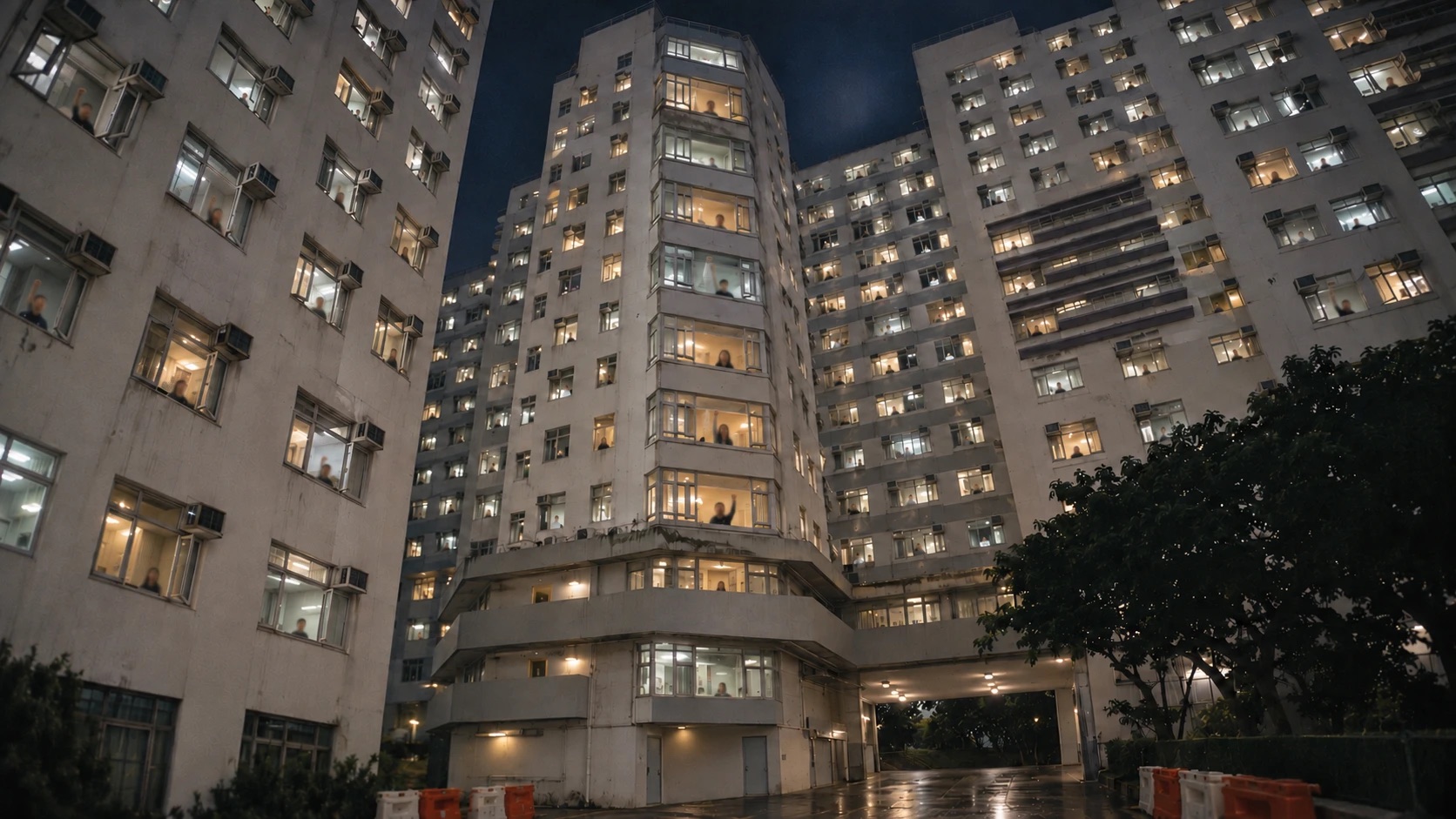
冬至夜,宿生不能聚集,就各自站在房間窗口喊。Hysan的窗全亮了,從山下看又是一格一格,只是這次每一格裡都站着人。大家喊得有快有慢,到最後一句才對齊。同一時間,山腳的店裡,阿朗印完最後一張,唱他的〈明天見〉,兩首歌疊在一起。
「到時再約啦」很容易說,說完卻仍不知道哪天能見。阿朗在終曲裡唱,明天見要有一個鐘數、一個地方。尾聲Nora終於問出「聽日幾點?」,這個約才算約成。
开场回到2002年Hysan的搬入日:新生在楼下喊英文hall cry(舍堂口号),跳Mass Dance,早上还互不相识,到半夜已经一起对着山喊。刚失去父亲的David一个人搬着箱子,从人群中间走上楼。
2020年的第4场,同一首歌在线上迎新被网络延迟切成一段一段,有人说“you're on mute”,有人说“sorry, my wifi”。本来是一百个人一起喊,现在是一百个人各自对着镜头喊,前后差半秒。一起搬箱、半夜在走廊碰见,这些事那一年都没有了。
冬至夜,住宿生不能聚集,就各自站在房间窗口喊。Hysan的窗全亮了,从山下看又是一格一格,只是这次每一格里都站着人。大家喊得有快有慢,到最后一句才对齐。同一时间,山脚的店里,阿朗印完最后一张,唱他的《明天见》,两首歌叠在一起。
“到時再約啦”很容易说,说完却仍不知道哪天能见。阿朗在终曲里唱,明天见要有一个钟点、一个地方。尾声Nora终于问出“聽日幾點?”(明天几点?),这个约才算约成。
The show opens on move-in day at Hysan in 2002. Freshmen shout the English hall cry downstairs and do the Mass Dance; strangers in the morning, by midnight they are shouting at the hill together. David, who has just lost his father, carries his boxes upstairs alone through the crowd.
In Scene 4, in 2020, network lag chops the same song into pieces at the online orientation. Someone says "you're on mute," someone else says "sorry, my wifi." A hundred people who should be shouting together are each shouting at their own camera, half a second apart. Carrying boxes together, running into each other in a corridor at midnight: none of that happens that year.
On the night of the solstice the residents cannot gather, so each of them shouts from their own window. Every window at Hysan is lit. From down the hill it is another grid of rectangles, but this time there is a person standing in each one. They are out of step, some ahead and some behind, and only line up on the last line. At the same time, in the shop at the foot of the hill, Long prints the last page and sings his See You Tomorrow (明天見), and the two songs overlap.
“Nearer the time” is easy to say. It still leaves them with no date. In the finale, Long sings that “see you tomorrow” needs a time and a place. Only when Nora asks “What time tomorrow?” in the epilogue do they actually make a plan.
虎
虎
The tiger
Hysan的吉祥物是老虎,宿生自稱Sassoon Tigers,劇名也由此而來。
迎新時,宿生一起喊hall cry,聽起來就像虎嘯。禪宗有個故事:百丈問黃檗去了哪裡,黃檗說去山下採菌。百丈問:「還見大蟲麼?」有沒有看見老虎?黃檗不答,學了一聲虎吼。第一幕終曲,歌隊用文言問了同一句,台上沒有人回答。山上從來沒有人見過虎,每年九月的新生還是照樣學虎叫。
開場時,歌隊唱起一段傳說:龍將入海,謂虎曰:明日見。虎留山中,日日望海。望之既久,化而為石。阿波屬龍,在薄扶林村長大,小時候舞過火龍,中秋送龍下海;阿晴屬虎,在山腳的店裡等了十七年。劇中人物沒有把兩件事連起來講。
地圖上也有虎。從港大主校區沿克頓道上去就是龍虎山,山上有松林炮台。阿波約好的日出、阿晴最後爬上的山頂,都在這座山。龍虎山名字的來歷我們查不到,劇中的傳說是我們編的。
香港也真的有過老虎。1915年3月,上水龍躍頭附近有老虎傷人,最終被擊斃,虎頭今天還在警隊博物館。1942年,赤柱也有老虎被擊斃。有確實記錄的最後一次是1947年,之後的目擊都未能證實。開場收音機說「有人在松林炮台附近看見一隻虎,漁護署找不到」,這段新聞也是我們編的。
廣東話把兇的女人叫「老虎乸」,學生背後就這樣叫阿晴。她屬虎,脾氣硬,追影印費追得緊,每晚擦的還是虎標萬金油。
到了尾聲,晨運的人說松林裡有條紋的東西一閃而過。歌隊唱:雲散。風止。虎下山來。究竟看見的是虎,還是日出時的樹影,就留在那一眼之間。
Hysan的吉祥物是老虎,住宿生自称Sassoon Tigers,剧名也由此而来。
迎新时,住宿生一起喊hall cry,听起来就像虎啸。禅宗有个故事:百丈问黄檗去了哪里,黄檗说去山下采菌。百丈问:“还见大虫么?”有没有看见老虎?黄檗不答,学了一声虎吼。第一幕终曲,歌队用文言问了同一句,台上没有人回答。山上从来没有人见过虎,每年九月的新生还是照样学虎叫。
开场时,歌队唱起一段传说:龙将入海,谓虎曰:明日见。虎留山中,日日望海。望之既久,化而为石。阿波属龙,在薄扶林村长大,小时候舞过火龙,中秋送龙下海;阿晴属虎,在山脚的店里等了十七年。剧中人物没有把两件事连起来讲。
地图上也有虎。从港大主校区沿克顿道上去就是龙虎山,山上有松林炮台。阿波约好的日出、阿晴最后爬上的山顶,都在这座山。龙虎山名字的来历我们查不到,剧中的传说是我们编的。
香港也真的有过老虎。1915年3月,上水龙跃头附近有老虎伤人,最终被击毙,虎头今天还在警队博物馆。1942年,赤柱也有老虎被击毙。有确实记录的最后一次是1947年,之后的目击都未能证实。开场收音机说“有人在松林炮台附近看见一只虎,渔护署找不到”,这段新闻也是我们编的。
粤语把凶悍的女人叫“老虎乸”(母老虎),学生背后就这样叫阿晴。她属虎,脾气硬,追复印费追得紧,每晚擦的还是虎标万金油。
到了尾声,晨练的人说松林里有条纹的东西一闪而过。歌队唱:云散。风止。虎下山来。究竟看见的是虎,还是日出时的树影,就留在那一眼之间。
Hysan’s mascot is the tiger. Its residents call themselves the Sassoon Tigers, which gave the show its name.
At orientation, the residents' hall cry sounds to us like a tiger's roar. There is a Chan story in which the master Baizhang asks Huangbo where he has been. Gathering mushrooms at the foot of the mountain, says Huangbo. Baizhang asks: "Did you see the tiger?" Huangbo does not answer. He roars like a tiger. At the end of Act One the chorus asks the same question in classical Chinese, 還見大蟲麼, and nobody on stage answers. No one has ever seen a tiger on that hill, and every September the freshmen learn to roar like one anyway.
The chorus opens the show with a legend, singing in classical Chinese, that the dragon, about to go into the sea, said to the tiger: see you tomorrow. The tiger stayed on the mountain and watched the sea day after day, and after watching long enough it turned to stone. Bo was born in a Dragon year, grew up in Pok Fu Lam Village, danced the fire dragon as a boy and saw it off to the sea each Mid-Autumn. Ching was born in a Tiger year and waited seventeen years in a shop at the foot of the hill. Nobody in the show connects the two out loud.
The tiger is on the map too. Walk up Hatton Road from the main campus and you reach Lung Fu Shan, Dragon-and-Tiger Hill, with Pinewood Battery on its slopes. The sunrise Bo promised and the hilltop Ching finally climbs are both on this hill. We could not find out how the hill got its name; the legend in the show is our own invention.
Hong Kong really did have tigers. In March 1915 a tiger attacked people near Lung Yeuk Tau in Sheung Shui and was eventually shot; its head is still in the Police Museum. Another tiger was shot in Stanley in 1942. The last confirmed record dates from 1947; no sighting since has been verified. The radio report in the opening scene, of a tiger seen near Pinewood Battery that the wildlife officers cannot find, is also our invention.
In Cantonese a fierce woman is a 老虎乸, a tigress, and that is what students call Ching behind her back. She was born in a Tiger year, she is tough, she chases every unpaid copying bill, and the ointment she rubs in every night is Tiger Balm.
In the epilogue, morning walkers report a glimpse of stripes among the pines. The chorus sings: the clouds part, the wind stops, the tiger comes down the hill. A tiger, or the shadows of trees at sunrise? They had only a moment to see.
還見大蟲麼?
还见到老虎了吗?
Did you see the tiger?
歌隊 · 第一幕終曲歌队 · 第一幕终曲The chorus · end of Act One
另一種信仰
另一种信仰
Another faith
阿波說到三十歲前的願望,頭一件就是買樓。十八歲的David嫌他志氣小:「買一間點夠?起碼三間啦!」連影印費都沒付,兩個人已經說得興高采烈。這樣的話,在香港並不陌生。
有了自己的樓,彷彿才算站穩了腳,能成家、能交代,最好三十歲前就辦到。阿波也替自己定下了這個期限。
第5場在沙灣徑,阿波把這面山坡講成一道階梯:「沙宣道住學生,沙灣徑住教授,貝沙灣住老闆。」三個地名都有一個沙字,從半山數到海邊,地勢一級比一級低,住的人一級比一級高。阿晴拆他的台:「數碼港喎,你識用電腦咩?」阿波:「識開機㗎。」數碼港是個科技計劃,計劃裡靠海的住宅部分就是貝沙灣,那時正在起樓。阿晴取笑的是,一個以電腦為名的計劃,阿波看中的只是裡面的樓。
貝沙灣在2003年2月開售。第6場一開頭,阿波拿着售樓書回到店裡,說要去排隊,阿晴叫他先還影印費。一個月後SARS爆發,他沒有去排隊,也沒有活到三十歲。
阿波说到三十岁前的愿望,头一件就是买房。十八岁的David嫌他志气小:“買一間點夠?起碼三間啦!”(买一套怎么够?起码三套!)连复印费都没付,两个人已经说得兴高采烈。这样的话,在香港并不陌生。
有了自己的房子,仿佛才算站稳了脚,能成家、能交代,最好三十岁前就办到。阿波也替自己定下了这个期限。
第5场在沙湾径,阿波把这面山坡讲成一道阶梯:“沙宣道住學生,沙灣徑住教授,貝沙灣住老闆。”(沙宣道住学生,沙湾径住教授,贝沙湾住老板。)三个地名都有一个沙字,从半山数到海边,地势一级比一级低,住的人一级比一级高。阿晴拆他的台:“數碼港喎,你識用電腦咩?”(数码港哦,你会用电脑吗?)阿波:“識開機㗎。”(会开机啊。)数码港是个科技计划,计划里靠海的住宅部分就是贝沙湾,那时正在盖楼。阿晴取笑的是,一个以电脑为名的计划,阿波看中的只是里面的房子。
贝沙湾在2003年2月开售。第6场一开头,阿波拿着售楼书回到店里,说要去排队,阿晴叫他先还复印费。一个月后SARS爆发,他没有去排队,也没有活到三十岁。
The first thing on Bo's list of wishes before thirty is a flat. Eighteen-year-old David thinks he is aiming too low: “Only one? Make it three!” They haven't even paid the copying bill, but they are enjoying themselves. It is a familiar conversation in Hong Kong.
A place of your own is supposed to mean you are settled, ready for a family, able to account for yourself. Better still if you manage it before thirty. Bo has given himself that deadline too.
In Scene 5, on Sha Wan Drive, Bo turns the hillside into a staircase: "Students live on Sassoon Road, professors on Sha Wan Drive, tycoons at Bel-Air." All three names contain the character for sand, 沙. Counting from halfway up the hill down to the sea, the ground drops at every step and the people living on it rise. Ching takes him down a peg: "It's Cyberport, you know. Can you even use a computer?" Bo: "I can switch one on." Cyberport was a technology project; its residential part by the water is Bel-Air, which at the time is going up on the shore. Ching is teasing him because, in a project named for computers, all Bo cares about is the flats.
Bel-Air went on sale in February 2003. At the start of Scene 6, Bo comes back to the shop with a sales brochure and says he's going to join the queue; Ching tells him to settle his copying bill first. A month later SARS breaks out. He never joins the queue, and he never reaches thirty.
三十歲之前,我一定要買間樓!買一間點夠?起碼三間啦!
三十岁之前,我一定要买套房!买一套怎么够?起码三套!
Before I'm thirty, I'm buying a flat! Only one? Make it three!
第3場 · 2002年秋 · 阿波、David第3场 · 2002年秋 · 阿波、DavidScene 3 · autumn 2002 · Bo and David
David跟樓的關係又不一樣。他父親是港大教授,一家住在沙灣徑Tam Towers的職員宿舍。宿舍是跟着工作的,2002年父親去世,一家人就得搬走。所以在〈三十歲之前〉裡,David想要的是一扇門,一把自己的鎖匙,一個沒有人可以收回的地方。
到2020年,David已經住進貝沙灣。當年三個人在沙灣徑望着海邊起樓,如今他成了住客,抬頭卻還看得到坡上的舊家。買了樓,也補不回父親去世後失去的生活。那間影印店,他更不願看着它消失。
在香港,窗、陽光、海景都要錢,樓盤廣告寫的就是這些。第10場阿晴對David說:「你喺貝沙灣望住成個海,我喺光管下面數紙。」她十七年沒見過正午的太陽。
阿晴繼承的店卻連一扇窗也沒有。它值多少錢,戲裡從沒說過;阿波欠的影印費,也只記了張數。對阿朗來說,這裡最捨不得的,是門框上父親畫過的身高線。他在〈呢度有阿爸〉裡唱它們,關門時用手機拍下來,往後就只能對着照片看。
David跟房子的关系又不一样。他父亲是港大教授,一家住在沙湾径Tam Towers的职员宿舍。宿舍是跟着工作的,2002年父亲去世,一家人就得搬走。所以在《三十岁之前》里,David想要的是一扇门,一把自己的钥匙,一个没有人可以收回的地方。
到2020年,David已经住进贝沙湾。当年三个人在沙湾径望着海边盖楼,如今他成了住客,抬头却还看得到坡上的旧家。买了房,也补不回父亲去世后失去的生活。那家复印店,他更不愿看着它消失。
在香港,窗、阳光、海景都要钱,楼盘广告写的就是这些。第10场阿晴对David说:“你喺貝沙灣望住成個海,我喺光管下面數紙。”(你在贝沙湾望着整片海,我在日光灯下数纸。)她十七年没见过正午的太阳。
阿晴继承的店却连一扇窗也没有。它值多少钱,戏里从没说过;阿波欠的复印费,也只记了张数。对阿朗来说,这里最舍不得的,是门框上父亲画过的身高线。他在《呢度有阿爸》里唱它们,关门时用手机拍下来,往后就只能对着照片看。
David's relationship with property is different. His father was a professor at the university, and the family lived in staff quarters at Tam Towers on Sha Wan Drive. The quarters came with the job, so when his father died in 2002 the family had to move out. That is why, in Before Thirty, what David wants is a door, a key of his own, a place nobody can take back.
By 2020, David lives at Bel-Air. He once watched the flats being built from Sha Wan Drive with Bo and Ching; now he is a resident, looking uphill towards his old home. Buying a flat has not restored the life he lost when his father died. He cannot bear to see the copy shop disappear as well.
In Hong Kong, windows, sunlight and sea views all cost money, and they are what property ads sell. In Scene 10 Ching tells David: "You're in Bel-Air looking at the whole sea, and I'm under the tube lights counting paper." She has not seen the noonday sun in seventeen years.
The shop Ching inherited has no window at all. We never hear what it is worth; even Bo's copying debt is recorded in pages. For Long, the hardest things to leave are the height marks on the door frame, the first drawn by his father. He sings about them in Dad Is Here. Before the shop closes, he photographs them on his phone. Afterwards, he will have the photograph to look at.
細節裡的回聲
细节里的回声
Echoes in the details
還有幾處小地方,散在台詞、道具和聲音裡。
还有几处小地方,散在台词、道具和声音里。
A few more details run through the dialogue, the props and the sounds of the shop.
取件單。店裡有一張2002年9月的取件單:LHH O Camp 2002合照,三十張,阿波取。上面蓋着「未付」。那是阿波欠下的影印費,欠了十八年。阿晴追別人的影印費追得緊,這一張從來沒追過。阿朗唱〈呢度有阿爸〉時,第一樣拿出來給觀眾看的就是它。冬至夜,David把這張欠單交還給阿晴。
等陣。影印店對客人說得最多的一句,是「等陣就有」。2003年那個下午,電話響了很久,阿晴以為是客,說了一句「等陣先」。
說出來的答句。David在2003年替阿晴答過那句話。冬至夜,他終於親口告訴她:「嗰日佢最後打畀我,問出面仲有冇太陽。係我答佢。呢句說話,我一直冇話你知。」這裡沒有配樂,和當年電話裡一樣,都是用說的。旋律要留到第二天日出,才由阿晴唱出來。
愚人節。2003年4月1日,店裡的收音機報出張國榮的消息,客人說:「今日愚人節嚟㗎。」沒有人笑。這是劇中唯一一次提到那一天,只作為收音機裡的新聞。阿晴在第3場說想早點收工看一場哥哥的夜場戲,那一場一直沒有看成。
文華門外的花。每年4月1日,阿晴買一紮花,放在文華門外,混在人群裡。別人以為她跟大家一樣,是為了哥哥。她是為了阿波。〈四季〉裡她唱:人家哭他們的哥哥,我哭我那一個,沒有人問我在哭誰。
節拍器。複印機是全劇的節拍器。第3場它給〈三十歲之前〉打拍子;第6場電話鈴在它的節拍之間響起,鈴停了,它還在轉;第12場阿朗按下最後一張,它停了,店裡第一次那麼靜,靜得聽見街外有人走過。
五首英文,五首粵語。十首歌剛好各佔一半。舍堂和對外的場合多唱英文,回到家裡、村裡,說到傷心事,粵語漸漸多起來。阿波和阿晴那一問一答,始終用粵語。Nora平時談到心事便轉英文,到了尾聲,終於用粵語問完那句話。
門框。門框上有幾條鉛筆線。最低那一條是阿朗一歲,筆跡是阿波的;之後的都是阿晴畫的。鎖門之前,阿朗用手機拍下這幾條線。
名字。阿晴的「晴」、阿朗的「朗」,合起來是「晴朗」。阿波的「波」是海浪,也和傳說中下海的龍相應。還有一個諧音上的巧合:Hysan說快了,有點像「Hi, sun」,跟太陽打個招呼。
取件单。店里有一张2002年9月的取件单:LHH O Camp 2002合照,三十张,阿波取。上面盖着“未付”。那是阿波欠下的复印费,欠了十八年。阿晴追别人的复印费追得紧,这一张从来没追过。阿朗唱《呢度有阿爸》时,第一样拿出来给观众看的就是它。冬至夜,David把这张欠单交还给阿晴。
等一下。复印店对客人说得最多的一句,是“等陣就有”(等一下就好)。2003年那个下午,电话响了很久,阿晴以为是客人,说了一句“等陣先”(先等一下)。
说出来的答句。David在2003年替阿晴答过那句话。冬至夜,他终于亲口告诉她:“嗰日佢最後打畀我,問出面仲有冇太陽。係我答佢。呢句說話,我一直冇話你知。”(那天他最后打给我,问外面还有没有太阳。是我答他的。这句话,我一直没告诉你。)这里没有配乐,和当年电话里一样,都是用说的。旋律要留到第二天日出,才由阿晴唱出来。
愚人节。2003年4月1日,店里的收音机报出张国荣的消息,客人说:“今日愚人節嚟㗎。”(今天是愚人节啊。)没有人笑。这是剧中唯一一次提到那一天,只作为收音机里的新闻。阿晴在第3场说想早点收工看一场哥哥的夜场戏,那一场一直没有看成。
文华门外的花。每年4月1日,阿晴买一束花,放在文华门外,混在人群里。别人以为她跟大家一样,是为了哥哥。她是为了阿波。《四季》里她唱:人家哭他们的哥哥,我哭我那一个,没有人问我在哭谁。
节拍器。复印机是全剧的节拍器。第3场它给《三十岁之前》打拍子;第6场电话铃在它的节拍之间响起,铃停了,它还在转;第12场阿朗按下最后一张,它停了,店里第一次那么静,静得听见街外有人走过。
五首英文,五首粤语。十首歌刚好各占一半。舍堂和对外的场合多唱英文,回到家里、村里,说到伤心事,粤语渐渐多起来。阿波和阿晴那一问一答,始终用粤语。Nora平时谈到心事便转英文,到了尾声,终于用粤语问完那句话。
门框。门框上有几条铅笔线。最低那一条是阿朗一岁,笔迹是阿波的;之后的都是阿晴画的。锁门之前,阿朗用手机拍下这几条线。
名字。阿晴的“晴”、阿朗的“朗”,合起来是“晴朗”。阿波的“波”是海浪,也和传说中下海的龙相应。还有一个谐音上的巧合:Hysan说快了,有点像“Hi, sun”,跟太阳打个招呼。
The pick-up slip. In the shop there is a pick-up slip from September 2002: LHH O Camp 2002 group photo, thirty copies, to be collected by Bo. It is stamped UNPAID. That is Bo's copying bill, outstanding for eighteen years. Ching chases everyone else's bills hard, but she never chased this one. When Long sings Dad Is Here, it is the first thing he holds up for us. On the solstice night David gives the slip back to Ching.
"In a minute." The thing a copy shop says most often to its customers is 等陣就有, "ready in a minute." That afternoon in 2003, with the phone ringing and ringing, Ching took it for a customer and said 等陣先, "just a minute."
The spoken answer. David answered for Ching in 2003. On the solstice night he finally tells her: “That day his last call was to me. He asked if the sun was out. I answered him. I never told you.” There is no music beneath the words, just as he spoke rather than sang them on the phone. The melody waits until Ching sings it at sunrise.
April Fool's Day. On 1 April 2003 the radio in the shop carries the news of Leslie Cheung, and a customer says, "It's April Fool's today." Nobody laughs. This is the only time the show mentions that day, and only as news on the radio. In Scene 3 Ching wanted to shut early one night and catch one of his films at the late show. She never did.
Flowers outside the Mandarin. Every 1 April Ching buys a bunch of flowers and leaves it outside the Mandarin Oriental, lost in the crowd. People take her for one more mourner there for Leslie. She is there for Bo. In Four Seasons she sings that the others weep for their Gor Gor, as the city called him, while she weeps for her own, and nobody asks her whom she is weeping for.
The metronome. The copier is the show's metronome. In Scene 3 it keeps time for Before Thirty. In Scene 6 the phone rings between its beats. The ringing stops, and the copier keeps running. In Scene 12 Long presses the button for the last page and it stops, and for the first time the shop is that quiet, quiet enough to hear someone walking past in the street.
Five in English, five in Cantonese. The ten songs divide equally. English is heard more in the hall and in public; Cantonese becomes more frequent at home, in the village and in grief. Bo and Ching's question and answer are always in Cantonese. Nora usually switches to English when things get personal. In the epilogue, she finally finishes her question in Cantonese.
The door frame. There are a few pencil lines on the door frame. The lowest marks Long at one year old, in Bo's hand; Ching drew all the rest. Before he locks up, Long photographs the lines on his phone.
The names. The 晴 in Ching's name and the 朗 in Long's make 晴朗: clear and bright. Bo's 波 means a wave, recalling the dragon that goes down to the sea. There is also a small coincidence in the sound: say Hysan quickly and it sounds a little like “Hi, sun,” a greeting to the sun.
日出
日出
Sunrise
冬至夜,最後一張紙印完,機器停了。David把埋了十七年的話告訴阿晴,將欠單交還給她。阿朗拍下門框上的身高線,鎖上店門。台上靜下來,只聽到落鎖的一聲。
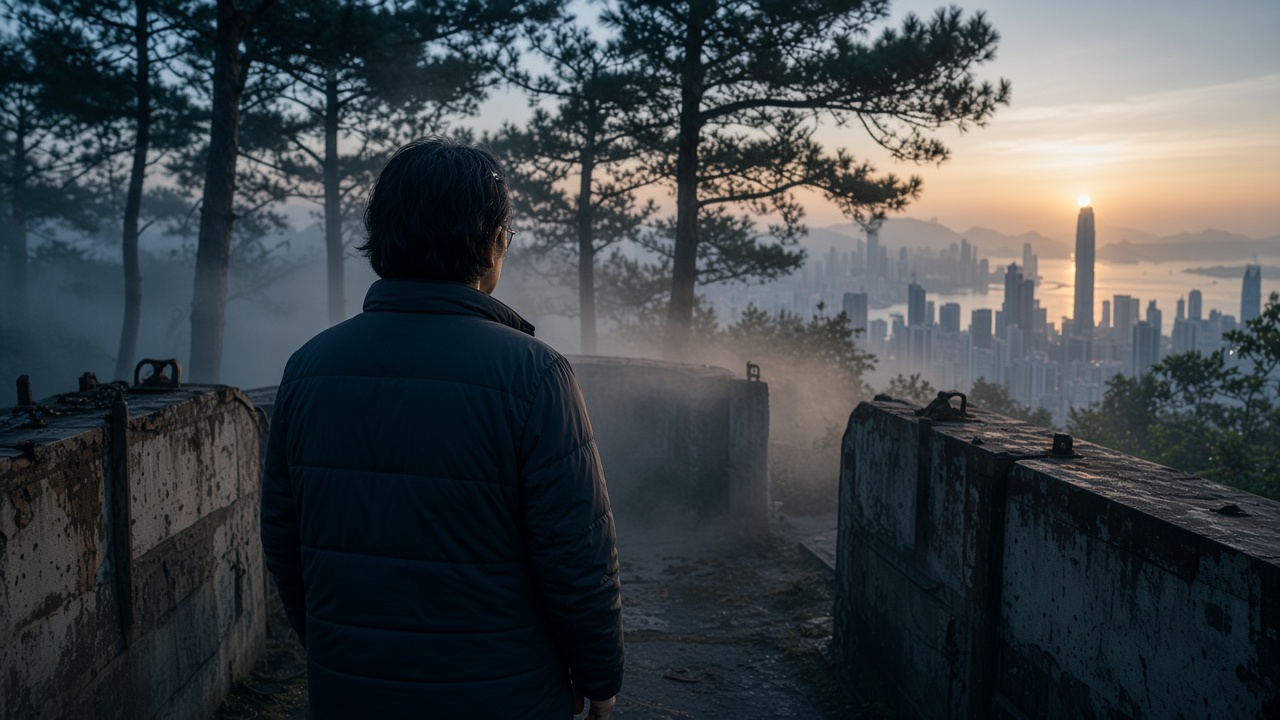
第二天早上,阿晴十七年來第一次放假。天還沒亮,她從主校區沿克頓道上山。阿朗陪她走到半路,讓她自己走上去。晨運的人說,松林裡好像有條紋的東西閃過。歌隊唱:雲散。風止。虎下山來。
太陽升起時,樂隊最後一次奏出問句,旋律停在半空。靜默了很久,阿晴轉身望向太陽,才唱:「有啊,好好天。」當年在櫃檯後面,她總是頭也不抬就答。這一次,她看見了。答句的旋律隔了十七年再響起,和弦終於落定。
山下,阿朗對Nora說:「聽日見。」Nora說了「聽日」,停了一下,然後接着問:「幾點?」這是她第一次問時間。〈差半句〉的和聲在這一刻解決。阿朗想了想:「……十點。」
山頂的阿晴答完了那句舊話,山下的兩個人約好了明天。燈暗之前,全體唱:明天見。
冬至夜,最后一张纸印完,机器停了。David把埋了十七年的话告诉阿晴,将欠单交还给她。阿朗拍下门框上的身高线,锁上店门。台上静下来,只听到落锁的一声。
第二天早上,阿晴十七年来第一次放假。天还没亮,她从主校区沿克顿道上山。阿朗陪她走到半路,让她自己走上去。晨练的人说,松林里好像有条纹的东西闪过。歌队唱:云散。风止。虎下山来。
太阳升起时,乐队最后一次奏出问句,旋律停在半空。静默了很久,阿晴转身望向太阳,才唱:“有啊,好好天。”当年在柜台后面,她总是头也不抬就答。这一次,她看见了。答句的旋律隔了十七年再响起,和弦终于落定。
山下,阿朗对Nora说:“聽日見。”(明天见。)Nora说了“聽日”(明天),停了一下,然后接着问:“幾點?”(几点?)这是她第一次问时间。《差半句》的和声在这一刻解决。阿朗想了想:“……十點。”(……十点。)
山顶的阿晴答完了那句旧话,山下的两个人约好了明天。灯暗之前,全体唱:明天见。
On the solstice night, the last page comes out and the copier stops. David tells Ching what he has kept from her for seventeen years and returns the unpaid slip. Long photographs the height marks and locks the shop. In the quiet, we hear the lock turn.
The next morning Ching takes her first day off in seventeen years. Before dawn she sets out from the main campus up Hatton Road. Long walks with her halfway and lets her climb the rest alone. People out on their morning walk say something striped seemed to flash through the pines. The chorus sings: the clouds part, the wind stops, the tiger comes down the hill.
As the sun rises, the orchestra plays the question one last time and leaves it hanging. After a long silence, Ching turns towards the sun and sings, “Yes, it's a lovely day.” Behind the counter, she used to answer without looking up. This time she has seen for herself. After seventeen years the answer's melody returns, and the chord settles.
Down the hill, Long says to Nora, "See you tomorrow." Nora says "Tomorrow," pauses, and then goes on: "What time?" (聽日幾點?) It is the first time she has asked for a time. At that moment the harmony of Half a Sentence resolves. Long thinks about it. "…Ten."
On the hilltop, Ching has answered the old question. Below, Long and Nora have made a plan for tomorrow. Before the lights go down, everyone sings: see you tomorrow.
他們約好了,明天十點見。
他们约好了,明天十点见。
They’ll meet tomorrow at ten.